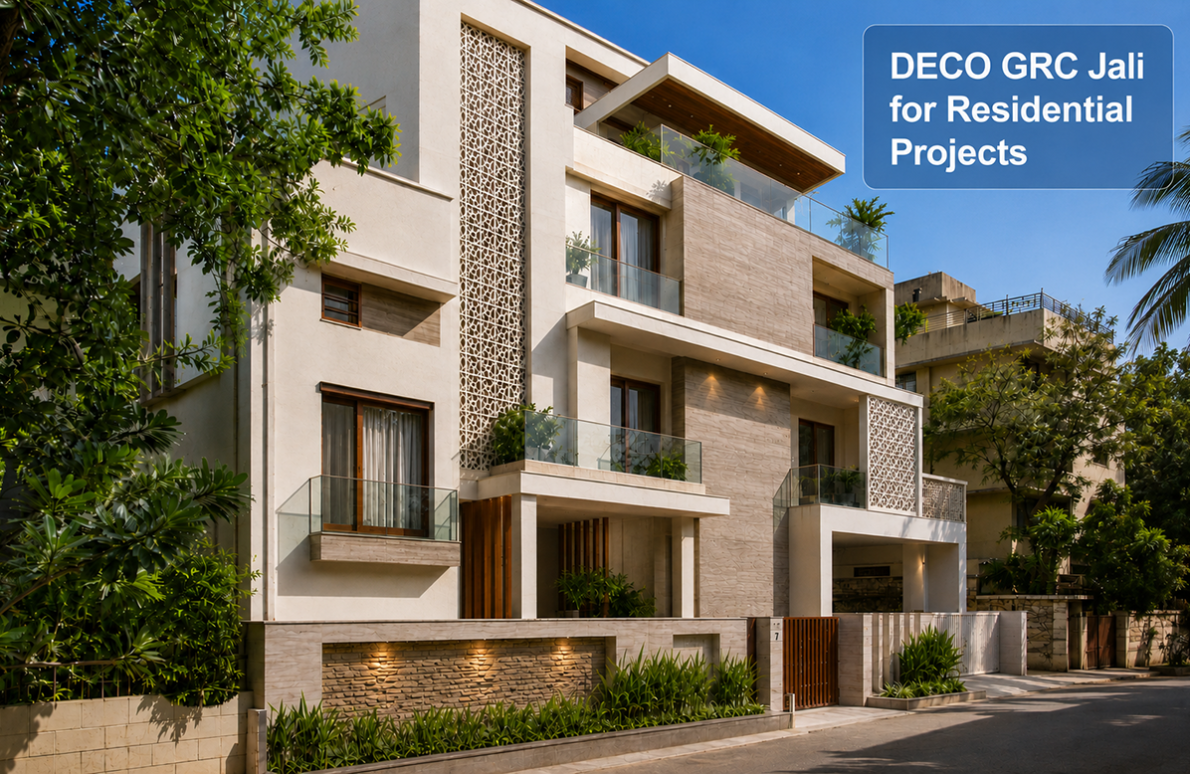
Walk through any premium residential development in India built in the last five years and you will notice something that was not there a decade ago.
The boundary wall is no longer just a boundary wall.
It has become a design element - carrying pattern, texture and light in a way that plain plastered walls or metal grille fencing simply cannot. And the element making this possible across residential elevations and compound walls from Mumbai to Delhi to Bengaluru is the GRC Jali screen.
At DECO, we manufacture GRC Jali screens for residential projects across India - individual villa elevations, gated community boundary walls, apartment tower facades and residential compound wall systems. This is a practical look at why residential architects and builders are increasingly specifying GRC Jali and what it delivers beyond the obvious.
GRC Jali in Residential Architecture - What Has Changed
The Residential Jali - More Than a Heritage Reference
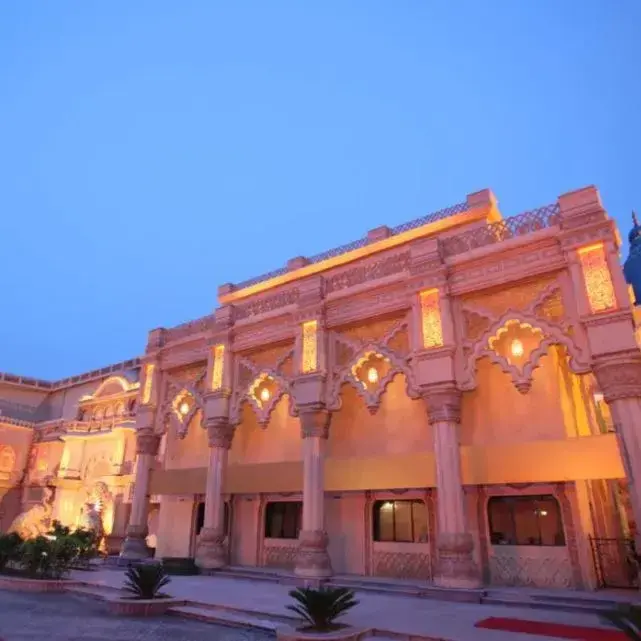
The Jali screen has roots in Indian residential architecture that go back centuries. The jarokha windows of Rajasthani havelis. The pierced stone screens of Mughal residences. The carved wooden lattices of traditional South Indian homes. In every case the function was the same - filter harsh sunlight, allow cross ventilation, provide visual privacy from the street while maintaining a connection to the outdoor environment from within.
What has changed is not the function. The function of the Jali in residential architecture is exactly what it has always been. What has changed is the material it is made from and the scale at which it can now be applied.
GRC - Glass Reinforced Concrete - brings the Jali into contemporary residential construction at the precision, consistency and affordability that makes it viable not just for landmark heritage projects but for premium residential developments, individual villa designs and even mid-range housing projects where the boundary wall needs to do more than divide a property from the street.
What GRC Jali Delivers on Residential Elevations
Privacy That Does Not Feel Like Imprisonment
The standard residential privacy solution in India is a solid compound wall - plastered, painted and completely opaque. It solves the privacy problem but creates a different one. It makes the interior of the property feel closed off from the outside world. It blocks natural ventilation. It turns the street face of a premium villa or residential development into a blank wall that communicates nothing about the quality of what is behind it.
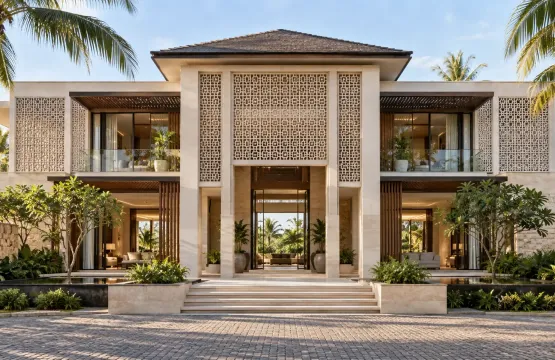
A DECO GRC Jali screen on a residential boundary wall or elevation solves the privacy requirement without any of these trade-offs. The pattern of openings in the Jali screen is designed to provide the right level of visual screening from the street - people outside cannot see into the property at normal viewing angles - while allowing light and air to pass through freely. The property breathes. The interior feels connected to the outside. And the street face of the property has a character and quality that a solid wall cannot achieve.
Natural Ventilation in Indian Climate Conditions
This is the function of the Jali that Indian residential architects understood centuries ago and that contemporary green building thinking is rediscovering. A well-designed Jali screen on a residential boundary wall or elevation allows prevailing breezes to pass through the property boundary rather than being deflected over a solid wall.
In Indian cities where summer temperatures demand every possible passive cooling strategy, the ventilation contribution of a Jali screen on the compound wall is a genuine comfort benefit - not just an aesthetic one. DECO works with residential architects to specify GRC Jali openness ratios that balance the privacy and ventilation requirements of each specific project - optimising the pattern to deliver both.
Architectural Identity for the Residential Elevation
The elevation of a premium residential property - the face it presents to the street - is its identity. A GRC Jali screen on the boundary wall or on balcony and window screens within the elevation gives that face a character that is specific to this property, this architect and this client.
DECO manufactures GRC Jali screens in any pattern - geometric, traditional, contemporary, organic or fully custom designed. A villa that references its heritage through a Mughal-inspired geometric Jali pattern. A contemporary apartment tower that carries a parametric pattern developed specifically for the building's design language. A gated community boundary wall that runs a consistent pattern across the full perimeter, creating a recognisable identity for the development from the street.
These are not decorative afterthoughts. They are deliberate design decisions that carry the architect's intent into the material reality of the built project.
Design note: The most successful residential GRC Jali specifications treat the screen as an architectural element from the earliest design stage - not as a finishing treatment added to a complete boundary wall. When the Jali pattern, scale and fixing system are designed in from the beginning, the result reads as integral to the building rather than applied to it.
Where DECO GRC Jali Is Used in Residential Projects
Villa and Bungalow Boundary Walls - Full perimeter Jali screen replacing or complementing solid compound walls - privacy with ventilation and street presence
Residential Tower Balcony Screens - Balcony privacy and solar shading screens on apartment towers - consistent pattern across all floors giving the tower a unified facade identity
Window and Opening Screens - Jali screens over windows and openings on residential elevations - filtered light, reduced direct solar gain and visual privacy from neighbouring properties
Gated Community Perimeter Walls - Consistent GRC Jali pattern running the full length of a gated community boundary - creating development identity and visual character from the approach road
Staircase and Corridor Screens - Interior Jali screens on staircase walls, lift lobbies and building corridors - filtered light and visual interest in shared spaces
Entrance Gate Surrounds - Decorative GRC Jali panels flanking residential entrance gates - framing the entrance and establishing the design character of the property at the point of arrival
Specifying GRC Jali for Residential Projects - What Architects and Builders Need to Know
The residential GRC Jali specification conversation is different from the commercial one in a few important ways - and understanding those differences produces better outcomes on residential projects.
- Scale matters more on residential projects - a Jali pattern that reads well on a commercial tower needs to be reconsidered for a villa compound wall where viewers are much closer and the pattern is evaluated at arm's length rather than from the street
- Openness ratio is a privacy decision first - on residential boundary walls the architect needs to confirm the privacy requirement from standing height on the street before the pattern geometry is finalised
- Color and finish carry more weight - on a residential project the plaster tone, the landscape planting and the building materials all relate to each other closely - the GRC Jali finish needs to be coordinated with this palette from the start
- Panel sizes should suit the wall module - residential compound walls have column and beam grids that determine the natural panel dimensions - coordinating the Jali panel size with the structural grid produces a cleaner result
- Sample approval is essential - residential clients evaluate material quality at close range and with high personal investment in the outcome - DECO produces physical sample panels for approval before full production on all residential projects
The Residential Jali in 2026 - Where the Market Is Heading
The residential Jali specification in India has grown significantly over the last five years and the trajectory is continuing upward. Several converging factors are driving this.
Premium residential developers have understood that the boundary wall and building elevation are the first and most consistent impression a development makes - on buyers during site visits, on residents every day and on the neighbourhood over decades. A GRC Jali screen that carries a considered design language across the perimeter of a development communicates quality in a way that a plain painted compound wall simply cannot.
At the individual villa and residence level, architects and clients are increasingly looking for ways to give premium homes a distinctive identity that separates them from the generic residential construction around them. The GRC Jali screen - customisable to any pattern, manufacturable at any scale, built to last the full life of the property - delivers that identity in a material that is honest, durable and genuinely Indian in its architectural heritage.
DECO manufactures GRC Jali screens for residential elevations and boundary walls across India - from individual villa projects to large gated community perimeter systems. The specification conversation starts with the architect's design intent and ends with a manufactured screen that delivers it precisely.
The Right Screen for the Right Residence
The GRC Jali is not a new idea in Indian residential architecture. It is a very old one - returned to contemporary relevance by a material that makes it practical, precise and durable at any scale of residential project.
Privacy. Ventilation. Solar filtering. Architectural identity. A single element that delivers all four simultaneously - and continues delivering them for the full life of the building without the maintenance burden that other materials create. That is why residential architects and builders are specifying GRC Jali screens on elevations and boundary walls across India in greater numbers every year.
And that is why the Jali - in its GRC form - belongs on every residential project where the elevation matters.