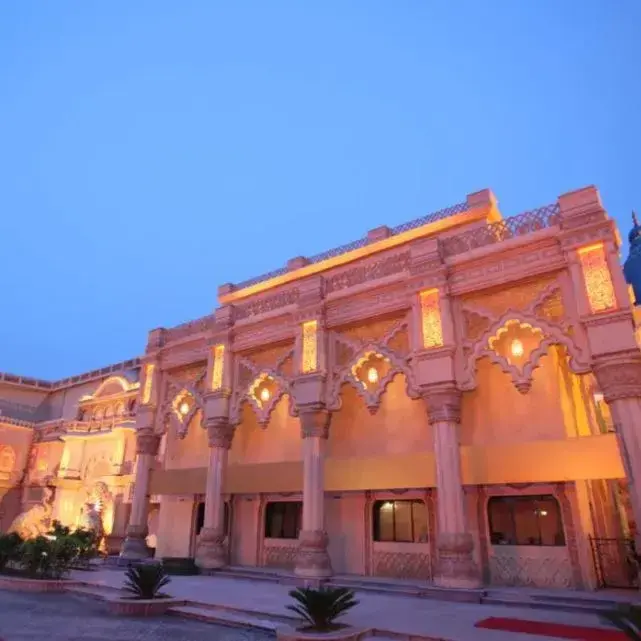
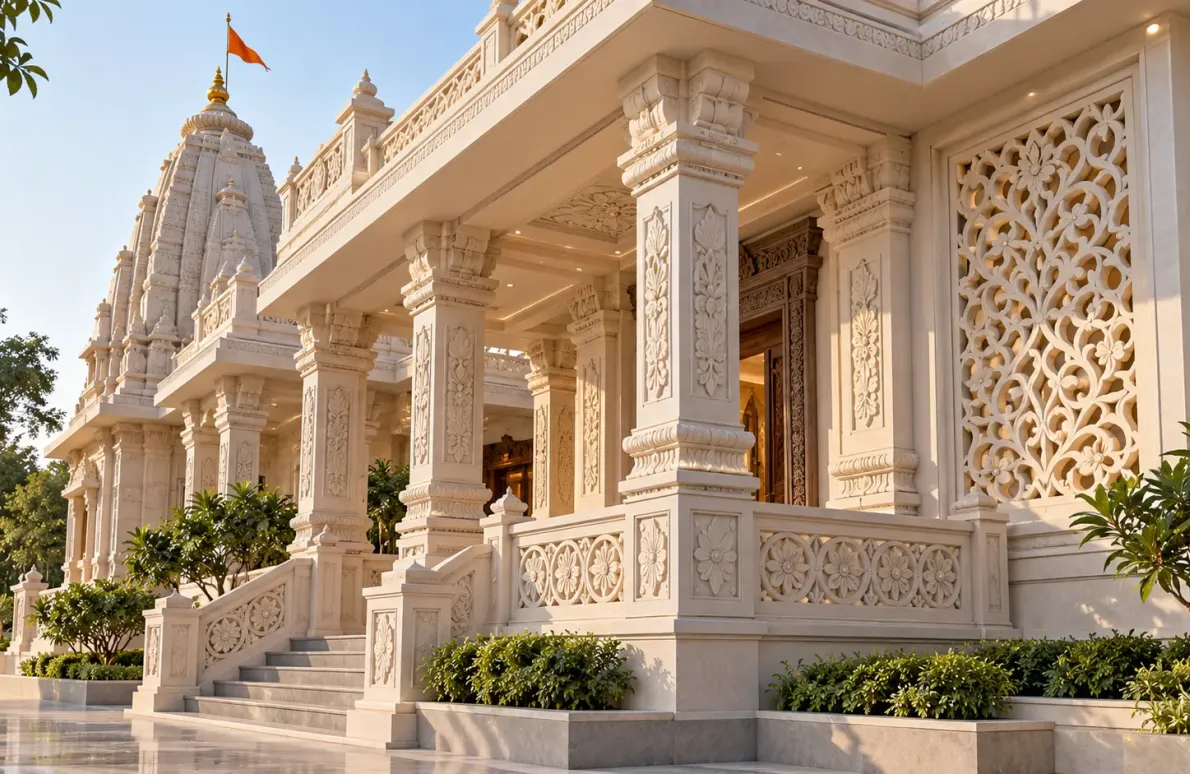
Temples are more than places of worship. They represent centuries of architectural knowledge, craftsmanship, cultural identity and artistic expression. Every carved column, ornamental arch, decorative panel and sculpted surface tells a story of tradition and devotion.
Preserving these details is an important part of temple restoration projects in India.
Restoration often involves repairing damaged architectural features, recreating missing ornamental elements and maintaining the original design character. While traditional stone craftsmanship remains essential for authentic conservation, modern materials such as Glass Reinforced Concrete (GRC) can support selected architectural restoration and redevelopment applications.
DECO GRC Artcraft by The Global Elephant brings together design flexibility, material innovation and architectural detailing to create customized ornamental elements inspired by traditional craftsmanship.
Understanding GRC Artcraft in Temple Architecture
GRC, or Glass Reinforced Concrete, is a cement-based composite reinforced with glass fibres. It allows detailed architectural forms to be produced with relatively thin profiles and reduced weight compared to conventional concrete.
In temple architecture, GRC Artcraft can be used to create decorative elements that reflect traditional forms, patterns and textures.
These may include:
- Ornamental arches and decorative mouldings
- Sculpted wall panels and relief artwork
- Decorative column surrounds and capitals
- Traditional geometric and floral patterns
- Architectural cornices and façade features
- Custom ornamental elements for temple entrances
The flexibility of GRC allows complex designs to be reproduced with consistency, making it useful for selected restoration, renovation and temple expansion projects.
Preserving Traditional Architectural Character
One of the biggest challenges in temple restoration is maintaining the original architectural character.
Traditional Indian temples feature elaborate carving styles, symbolic motifs, layered profiles and intricate detailing. These elements often follow specific regional architectural traditions.
When ornamental features are damaged or missing, restoration teams must carefully study the original design before considering replacement.
GRC Artcraft can help reproduce selected decorative profiles and surface patterns where modern replacement materials are appropriate and approved.
For example, repeated floral borders, ornamental wall panels or non-structural decorative features may be recreated using custom moulds developed from documented designs.
The objective is not to replace traditional craftsmanship but to support architectural continuity where suitable.
Intricate Detailing and Design Flexibility
Temple architecture is known for its attention to detail.
From carved floral borders to layered arches and decorative wall surfaces, every element contributes to the overall architectural expression.
GRC Artcraft offers flexibility in creating these complex forms.
With suitable mould development, architects can reproduce detailed textures, repetitive motifs and customized profiles while maintaining consistency across multiple elements.
This is particularly useful for projects involving extensive decorative surfaces or additions where a coordinated traditional design language is required.
DECO GRC Artcraft can be developed according to specific architectural drawings, ornamental patterns and finish requirements.
Lightweight Architectural Elements
Weight is an important consideration in temple renovation projects, especially when working with existing structures.
Traditional stone elements can be heavy and may require substantial structural support. GRC offers the possibility of thinner and lighter decorative components, depending on the geometry and engineering requirements.
This can be beneficial for applications such as:
- Decorative wall cladding
- Architectural relief panels
- Non-structural column covers
- Ornamental entrance features
- Ceiling and façade detailing
However, any addition to an existing temple must be assessed by qualified structural and conservation professionals. The supporting structure, fixing system and condition of the original building must be considered before installation.
Finish Options Inspired by Traditional Materials
Material finish plays an important role in maintaining the visual character of temple architecture.
Traditional temples often feature natural stone surfaces, warm earthy colours and detailed textures developed through regional craftsmanship.
GRC Artcraft can be manufactured with finishes inspired by these materials.
Possible finishes include:
- Sandstone-inspired finish
- Natural stone texture
- Granite-inspired finish
- Terracotta finish
- Pitted and textured surfaces
- Custom pigmented finishes
The selected finish should complement the existing architecture rather than create an artificial contrast.
For heritage-sensitive projects, colour, texture and surface appearance should be reviewed through samples before installation.
Applications in Temple Restoration and Redevelopment
GRC Artcraft can support different types of temple projects, particularly where new architectural elements must reflect traditional design.
Temple Entrance and Gateway Features
Temple entrances establish the architectural identity of the structure. Custom ornamental panels, decorative borders and moulded features can enhance newly constructed or approved reconstructed entrance areas.
Decorative Columns and Arches
GRC Artcraft can be developed for non-structural decorative column surrounds, capitals and arch details that complement traditional temple architecture.
Ornamental Wall Panels
Relief panels featuring floral, geometric or traditional design motifs can add depth and character to temple walls and circulation spaces.
Temple Expansion Projects
When temples expand to include new halls, corridors or visitor facilities, GRC architectural elements can help maintain a consistent visual language between original and newly developed spaces.
Cultural and Religious Complexes
Beyond the main temple structure, GRC Artcraft can also be used in entrance courtyards, cultural centres and associated public spaces where traditional architectural detailing is desired.
Important Considerations for Heritage Restoration
Temple restoration requires a different approach from new construction.
For protected monuments and historically significant temples, preserving original materials and authentic craftsmanship should remain the priority.
GRC should not automatically replace historic stone, original carvings or structurally significant elements.
Before specifying GRC Artcraft, project teams should consider:
- Historical documentation and architectural authenticity
- Compatibility with existing materials
- Structural condition of the original building
- Conservation guidelines and required approvals
- Fixing methods and potential impact on historic surfaces
- Long-term maintenance and weather exposure
A conservation architect or qualified heritage specialist should determine whether GRC is appropriate for the particular application.
This approach helps ensure that modern construction techniques support, rather than compromise, the architectural significance of the temple.
Why DECO GRC Artcraft?
DECO GRC Artcraft combines architectural design flexibility with contemporary material capabilities.
It allows detailed ornamental features, customized relief panels and sculptural architectural elements to be developed according to project requirements.
With options for custom geometry, surface textures and finishes, DECO GRC Artcraft can support projects seeking to integrate traditional design character with modern manufacturing methods.
For temple redevelopment, cultural projects and approved restoration applications, this flexibility can help achieve consistency across decorative elements while respecting the overall architectural vision.
Final Thoughts
Temple restoration is about more than repairing architectural elements. It is about preserving cultural identity, respecting traditional craftsmanship and maintaining the visual language that makes each temple unique.
DECO GRC Artcraft offers an additional material option for selected ornamental and non-structural architectural applications where modern manufacturing can complement traditional design.
From decorative arches and relief panels to customized architectural features, GRC can help translate intricate design concepts into durable architectural elements.
For temple restoration and redevelopment projects, considering GRC Artcraft during the early design and conservation planning stages can help architects evaluate its suitability while maintaining the authenticity, character and architectural significance of the structure.