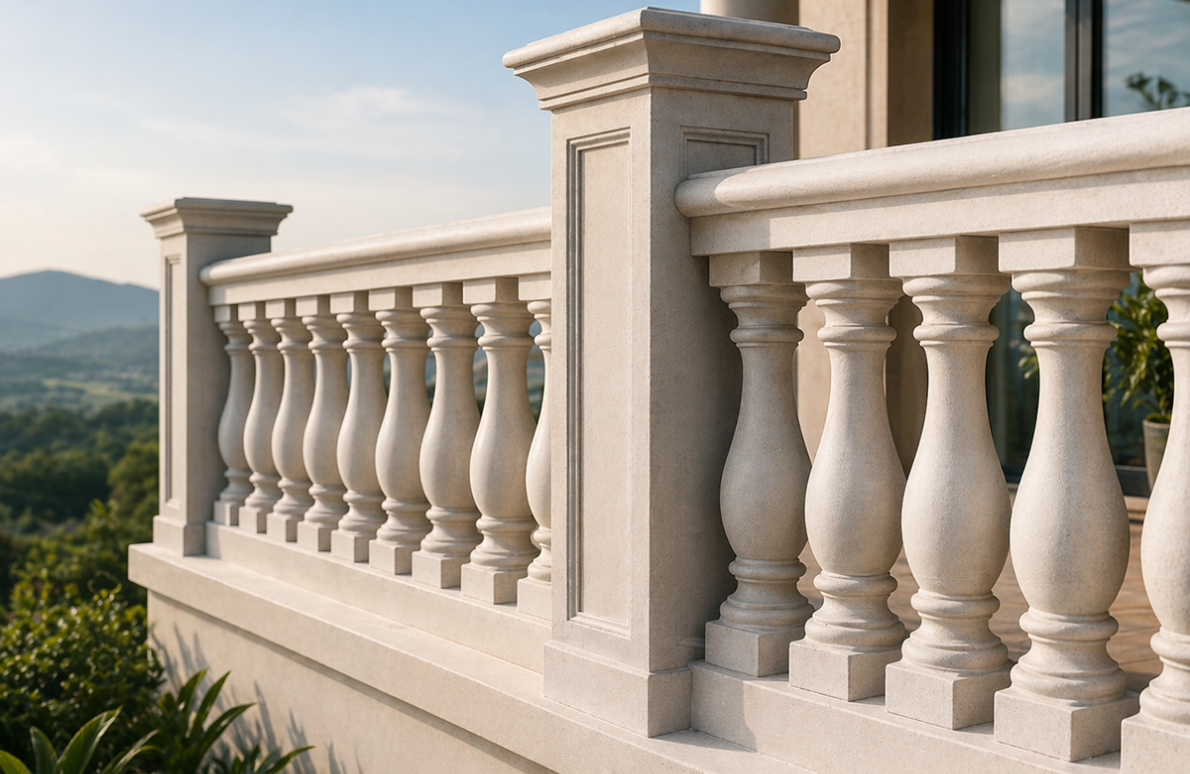
Spend enough time visiting commercial construction sites across India and you start noticing a pattern. The railings that once would have been fabricated from steel or carved from stone are increasingly being manufactured from GRC. Hotels, office towers, mixed use developments, residential complexes - the shift is visible and it is happening quickly. The reasons behind it are more practical than most people expect.
Railings are not an afterthought on a commercial building. They sit on balconies, staircases, terraces and podium edges - highly visible, constantly exposed to weather, and expected to perform structurally and aesthetically for the full life of the building. The material they are made from determines how well they actually deliver on all three of those expectations over time.
At DECO we manufacture architectural concrete railings in GRC - Glass Reinforced Concrete - for commercial buildings across India. We work directly with architects, builders and developers at the specification stage. This is an honest look at why GRC railings are increasingly the first choice on serious commercial projects - and why metal and stone are losing ground.
The Problem With Metal Railings on Commercial Buildings
Steel and aluminium railings dominated commercial construction in India for decades. They are familiar, widely available and relatively straightforward to install. But on commercial buildings - where the railing has to perform consistently across 20 or 30 years of Indian outdoor conditions - metal creates maintenance problems that compound over time.
Corrosion is the most obvious issue. In coastal cities like Mumbai, Chennai, Kochi and Goa, salt air attacks metal railings aggressively. Even powder coated or galvanised steel corrodes at joints, fixings and cut edges where the protective coating is thin or damaged. Once rust takes hold it spreads - staining the building facade below, weakening the structural connection and eventually requiring full replacement rather than repair.
Inland cities are not immune. High humidity during the monsoon season creates similar conditions for corrosion, just at a slower pace. And the thermal expansion of metal in Indian summer temperatures - where surface temperatures on a south or west facing railing can exceed 60 degrees Celsius - creates movement in fixing connections that loosens over time if not properly detailed.
The maintenance cost of metal railings on a large commercial building adds up significantly over a decade. Repainting, rust treatment, fixing tightening, replacement of corroded sections - these are recurring expenses that were not always factored into the original specification decision.
The Problem with Stone Railings on Commercial Buildings
Natural stone railings carry a premium aesthetic - the weight and permanence of stone communicate quality in a way that manufactured materials have historically struggled to match. But stone creates a different set of practical problems on commercial buildings.
Weight is the most immediate concern. A stone balustrade system is extremely heavy. On a rooftop terrace, a podium level balcony or an elevated walkway, that weight adds directly to the structural dead load of the slab. On large commercial projects this can significantly affect structural design - requiring heavier slabs, more reinforcement and higher structural cost. The railing specification ends up influencing the structural budget in ways that were not anticipated when the design intent was set.
Stone also cracks. Not immediately - but over time, as the building moves with thermal cycles and settlement, natural stone balusters and copings develop hairline cracks that admit water. In Indian climates where monsoon rainfall is intense and UV exposure is high, water ingress into stone accelerates deterioration and produces the kind of surface staining and biological growth that is difficult and expensive to reverse on a commercial building.
Replacement of individual damaged stone elements is also complicated. Natural stone from the same quarry batch is rarely available years after the original installation. Color and texture matching is imprecise. The result is visible patching that affects the overall appearance of the building facade.
Why GRC Railing Is the Better Answer for Commercial Buildings
GRC - Glass Reinforced Concrete - was developed specifically to address the limitations that both metal and stone create in architectural applications. As a GRC railing manufacturer working on commercial projects across India, DECO consistently sees the same reasons driving the specification decision toward GRC.
Corrosion Does Not Exist as a Problem
GRC contains no metal except for stainless steel fixings - and stainless steel is specified precisely because it does not corrode in outdoor conditions. The GRC material itself is completely unaffected by moisture, salt air, humidity and the chemical exposure that Indian outdoor conditions create. A DECO GRC railing on a coastal building in Mumbai performs identically to one on an inland project in Pune - there is no corrosion mechanism to manage.
Weight That Makes Structural Sense
DECO GRC railings are manufactured with hollow or thin wall sections that give full structural performance at a fraction of the weight of equivalent stone elements. A GRC balustrade system that visually matches a stone railing can weigh 60 to 70 percent less. On large commercial projects with extensive balcony and terrace perimeters, this weight saving has real structural cost implications - reducing dead load on slabs and simplifying the structural design.
Design Consistency Across Large Projects
Commercial buildings need consistency. A railing system that runs across multiple floors, multiple balconies and multiple facade orientations has to look identical from unit to unit. Stone carving produces natural variation. Metal fabrication produces welding and finishing inconsistencies. GRC is a cast material - every DECO GRC railing element produced from the same mould is dimensionally identical and surface consistent. On a project with hundreds of railing units, that consistency is genuinely visible and genuinely valuable.
Surface Finish That Lasts
DECO architectural concrete railings are available in a range of finishes - smooth, textured, sand faced, exposed aggregate and custom pigmented. The finish is integral to the material - not applied as a coating over the surface. It does not peel, fade or require reapplication. The railing that looks good on handover day still looks good ten years later with only routine cleaning maintenance.
Custom Design Without Custom Cost
GRC can be cast into almost any profile. Classical balustrade forms that reference heritage architecture, clean geometric profiles for contemporary commercial buildings, custom designs that reference the building's architectural identity - all of these are achievable through casting at a cost and consistency that stone carving cannot match. DECO works with architects from early design stage to develop railing profiles that carry the building's design language through to the balcony edge.
Design note: GRC railings can replicate the visual character of stone, precast concrete or even cast iron - giving architects the aesthetic they want without the weight, corrosion or maintenance liabilities of those materials.
Where DECO GRC Railings Are Being Specified in India
The commercial building types where GRC railings are most commonly specified tell a clear story about where the material performs best.
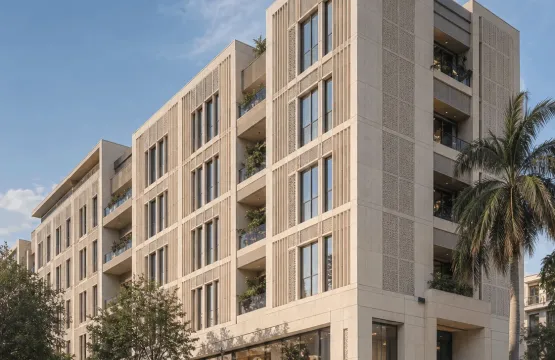
- Hotels and resorts - balcony railings, pool deck perimeters, terrace edges where visual quality and weather resistance both matter
- Residential apartment towers - balcony balusters and copings across multiple floors where consistency and low maintenance are the priority
- Corporate offices and IT parks - rooftop terraces and elevated walkways where structural load efficiency is valued
- Mixed use commercial developments - podium level landscape perimeters and retail frontage railings
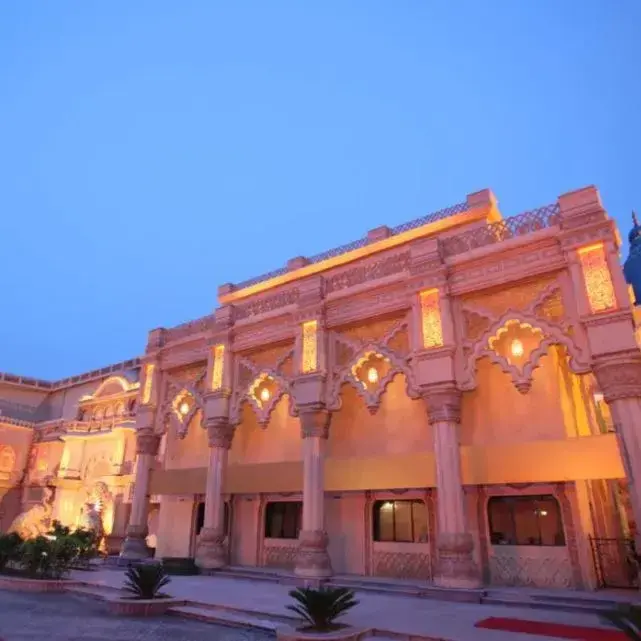
- Heritage adjacent projects - where a GRC railing can replicate traditional stone balustrade forms at manageable cost and weight
DECO works with project teams from specification through manufacturing and delivery - including coordination with structural and facade engineers on fixing system design and structural connection details.
A Note on UHPC and FRP Railings
DECO also manufactures railings in UHPC - Ultra High Performance Concrete - for premium projects where the highest surface quality and finest profile detail are required. FRP railings are available for applications where absolute minimum weight is the constraint. For most standard commercial building applications across India however - where the balance of design quality, structural performance, weather resistance and lifecycle cost all matter - GRC remains the most practical and most specified choice. That is the consistent feedback from the architects and developers DECO works with.
Frequently Asked Questions
Q1. How do DECO GRC railings perform in coastal cities like Mumbai and Chennai?
DECO GRC railings perform reliably in coastal environments. The material contains no ferrous metal and is completely unaffected by salt air, humidity and coastal moisture. Stainless steel fixings are used for all exterior applications - eliminating the corrosion at connection points that affects metal railing systems in coastal conditions. DECO GRC railings in coastal locations require only routine cleaning to maintain their appearance and structural performance.
Q2. Can DECO manufacture GRC railings in custom profiles and finishes?
Yes. DECO manufactures architectural concrete railings in fully custom profiles - classical balustrade forms, contemporary geometric sections, and bespoke designs developed in coordination with the project architect. Surface finishes include smooth, textured, sand faced, exposed aggregate and custom pigmented options. All finishes are integral to the material and do not require periodic reapplication.
Q3. What is the weight advantage of GRC railings over stone balustrades?
A DECO GRC railing system can weigh 60 to 70 percent less than an equivalent stone balustrade of the same visual profile. This weight saving directly reduces structural dead load on balcony slabs and terrace structures - particularly significant on upper floor applications and rooftop terraces where structural load capacity is a design constraint.
Q4. How long do DECO GRC railings last on commercial buildings?
DECO GRC railings are designed for the full lifespan of the building - typically 25 to 30 years or more with appropriate specification and installation. The material does not corrode, does not require periodic repainting or surface sealing, and maintains its structural and visual performance across Indian outdoor conditions including monsoon, high UV and coastal exposure. Routine cleaning is the primary maintenance requirement.
Q5. Does DECO provide fixing design support for GRC railing installation?
Yes. DECO works with project teams including structural engineers and contractors to develop appropriate fixing specifications for each installation context. This includes stainless steel base plate connections, core fill fixing systems and coordination with the structural slab or beam connection. Early engagement with DECO at the design stage ensures the fixing system is properly integrated into the structural drawings before construction begins.