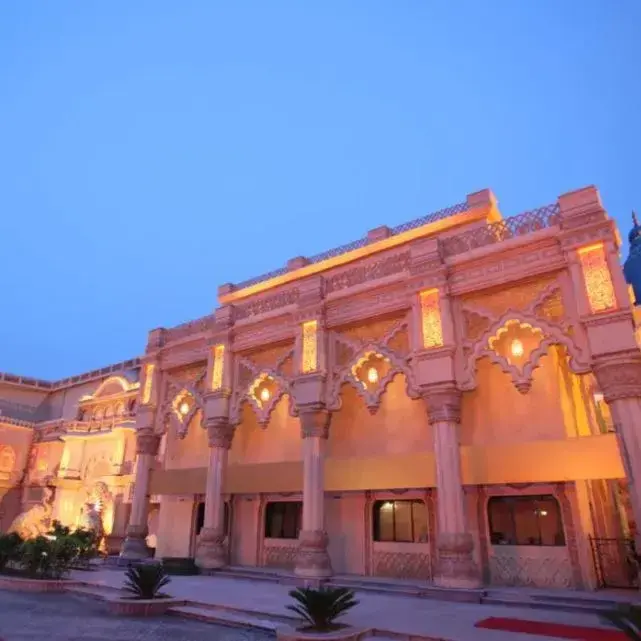
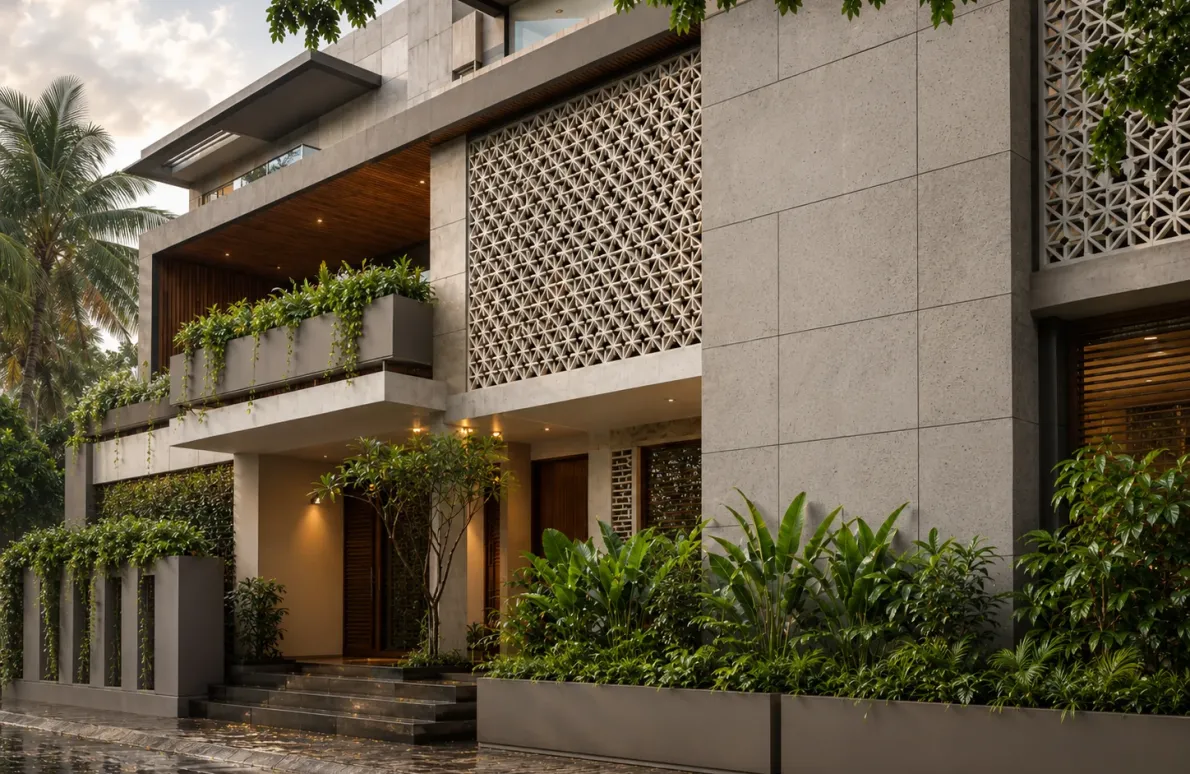
Indian architecture faces a unique challenge. Buildings must look premium, perform well and remain durable through intense sunlight, monsoons, dust, humidity, pollution and daily wear. A facade or outdoor space that looks beautiful on day one must also continue to look refined after years of exposure.
This is why low-maintenance architectural elements are becoming increasingly important in modern building design.
For architects, developers, facade consultants and project owners, the focus is no longer only on creating a strong visual impression. The real requirement is to create design elements that can handle the Indian climate while maintaining their architectural value.
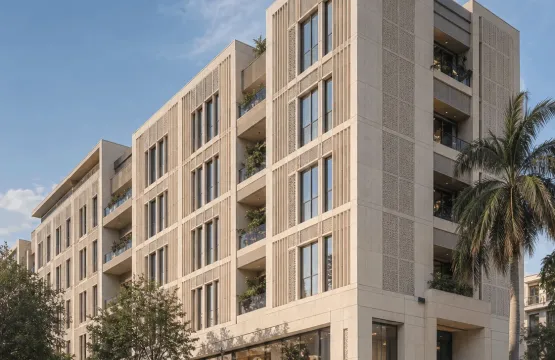
Elements such as GRC jalis, GRC planters, facade panels, architectural screens and exterior design features help achieve this balance. They add depth, privacy, greenery, shade and design identity while supporting durability and long-term performance.
In Indian weather conditions, the right architectural element is not just about beauty. It is about strength, maintenance, material suitability and intelligent design.
Why Indian Weather Needs Smarter Architectural Design
India has diverse climatic conditions, but many regions face common challenges such as heat, harsh sunlight, heavy rains, dust, pollution and humidity. Buildings in cities also deal with traffic pollution, continuous outdoor exposure and high usage.
These conditions can affect exterior surfaces and outdoor products. Poor material choices may lead to fading, cracking, staining, water damage or frequent repair requirements.
This makes material selection and design planning extremely important.
A low-maintenance architectural element should be able to:
- Withstand outdoor exposure
- Handle heat and sunlight
- Perform during monsoon conditions
- Resist frequent wear and cleaning issues
- Maintain visual quality over time
- Support easy upkeep
- Blend with modern building design
- Reduce replacement and repair cycles
For developers, low-maintenance design helps protect the long-term value of a project. For architects, it ensures that the design intent remains visible even after years of use.
What Are Low-Maintenance Architectural Elements?
Low-maintenance architectural elements are building components designed to perform well with minimal repeated repair, repainting or replacement. They are planned not only for appearance but also for durability and practical use.
These can include:
- GRC jali screens
- GRC planters
- facade panels
- Architectural screens
- Outdoor furniture
- Railings and fences
- Feature walls
- Podium elements
- Entrance design elements
- Landscape edging systems
In this blog, the focus is on three key elements: jalis, planters and facades.
These elements are highly visible, exposed to weather and important for the overall identity of a project. When designed properly, they can improve both aesthetics and long-term performance.
GRC Jalis for Indian Weather
Jalis have always been relevant in Indian architecture because they respond well to climate. They filter sunlight, allow airflow, provide privacy and create shade. In modern architecture, GRC jalis bring this traditional idea into a contemporary material system.
How GRC Jalis Support Climate Comfort
Indian buildings often receive harsh sunlight, especially on west and south-facing facades. Direct sunlight can increase heat, glare and discomfort. GRC jali screens act as a protective layer that filters sunlight before it reaches the main building surface.
This helps create a more comfortable facade experience. The jali provides shade without fully blocking light or air. It also adds visual depth to the building.
In balconies, corridors, parking facades and semi-open areas, jalis are especially useful because they allow air movement while maintaining privacy and enclosure.
Why GRC Jalis Are Low-Maintenance
GRC jalis are suitable for exterior applications when properly designed, manufactured and installed. They can be developed in durable finishes and customized sizes based on the project requirement.
Compared to temporary screening solutions or fragile decorative elements, GRC jalis offer a more architectural and long-term approach.
Their advantages include:
- Durable exterior performance
- Custom pattern flexibility
- Strong visual identity
- Reduced need for frequent replacement
- Suitable for large facade areas
- Ability to handle outdoor exposure
- Design compatibility with modern buildings
A well-designed GRC jali becomes part of the building system rather than a temporary decorative feature.
Applications of GRC Jalis
GRC jalis can be used in many project types:
- Residential balcony screens
- Commercial building facades
- Hotel room privacy screens
- Parking facade ventilation screens
- Podium elevation features
- Mall exterior screens
- Staircase and service area screening
- Institutional building facades
- Terrace privacy walls
- Landscape partitions
The key is to design the pattern, thickness, opening ratio and fixing system according to the site conditions.
GRC Planters for Indian Outdoor Spaces
Planters are often exposed to direct sunlight, rainwater, soil moisture, cleaning activity and public use. In malls, plazas, residences and commercial campuses, ordinary planters may not perform well over time if they are not designed for durability.
This is where GRC planters become valuable.
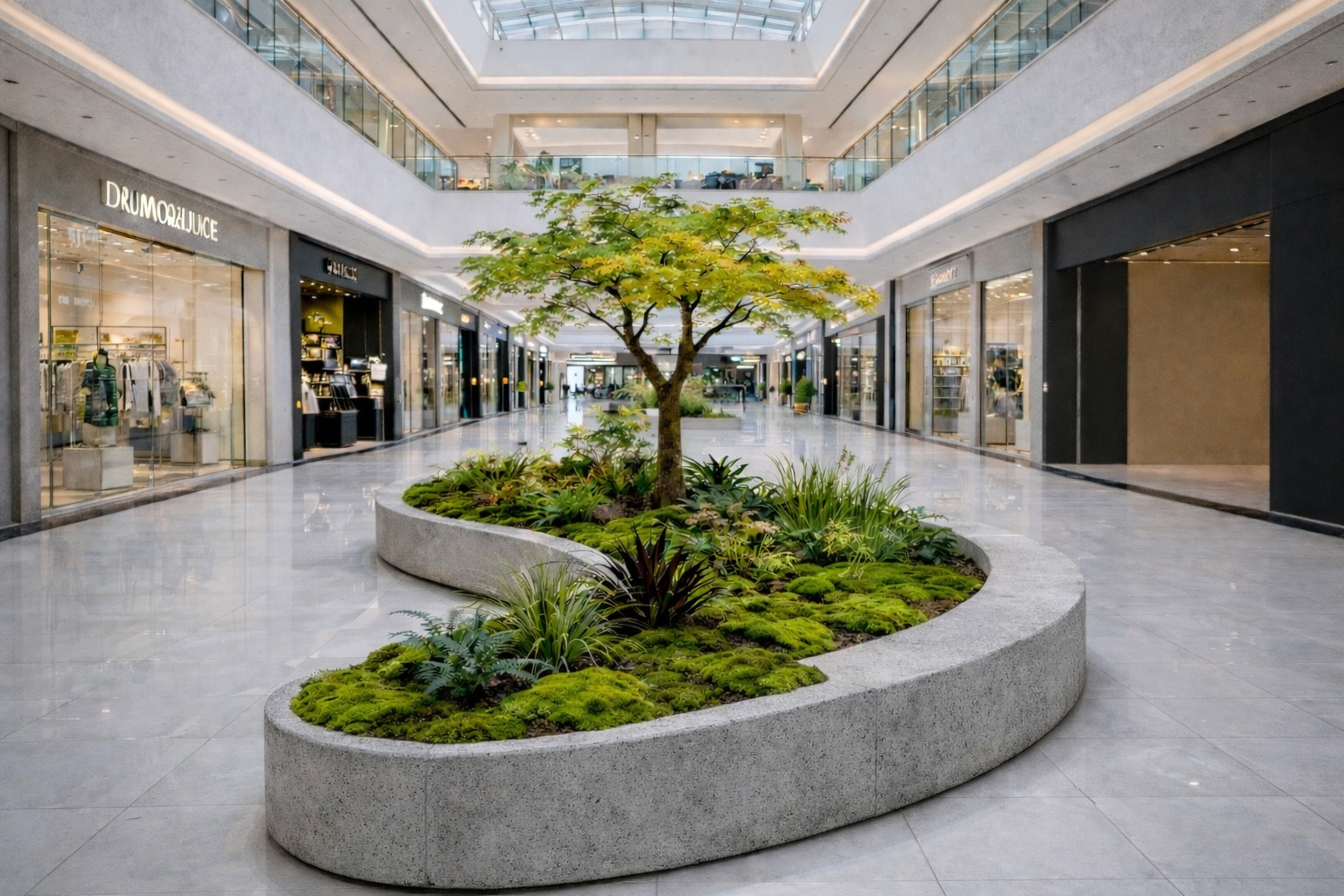
GRC planters are not just plant containers. They are architectural landscape elements that define outdoor spaces, organize movement and add greenery in a structured way.
Why Outdoor Planters Need Durability
Indian outdoor spaces face multiple challenges. During summer, planters are exposed to heat and strong sunlight. During monsoon, they must handle rainwater, soil moisture and drainage. In public spaces, they also face daily cleaning, movement and footfall pressure.
A planter that cracks, fades or stains easily can make the entire landscape look poorly maintained.
GRC planters are useful because they can be designed for outdoor use, large formats and premium architectural finishes. They can be customized to match the facade, paving, seating and landscape design.
Benefits of GRC Planters
GRC planters offer many practical and design advantages:
- Suitable for outdoor landscapes
- Available in custom shapes and sizes
- Can be made in premium finishes
- Work well for large commercial spaces
- Help define walkways and seating zones
- Add greenery without looking temporary
- Support durable landscape design
- Blend with modern architecture
For developers, GRC planters improve the long-term appearance of outdoor spaces. For landscape architects, they provide flexibility in shape, placement and visual language.
Where GRC Planters Can Be Used
GRC planters can be used across:
- Mall entrances
- Public plazas
- Corporate campuses
- Residential podiums
- Terrace gardens
- Clubhouse landscapes
- Hotel drop-off areas
- Outdoor seating zones
- Retail walkways
- Building entrances
- Rooftop landscapes
- Courtyard spaces
They are especially effective where greenery needs to look intentional and integrated with the architecture.
facade Elements for Long-Term Building Identity
The facade is the most visible part of a building. It faces constant weather exposure and creates the first impression of the project. If the facade ages poorly, the entire building can appear neglected.
This is why facade elements must be selected carefully.
Modern facade design often includes panels, jalis, screens, fins, textures and decorative architectural features. These elements should not only look attractive but also perform well over time.
Why facades Need Low-Maintenance Materials
facades are exposed to sunlight, rain, wind, dust and pollution. They are not easy to repair frequently, especially on large buildings or high-rise structures. Therefore, facade design should prioritize durability from the beginning.
Low-maintenance facade elements help reduce:
- Frequent repainting
- Surface damage
- Visual fading
- Material replacement
- Repair disruptions
- Poor long-term appearance
For developers, this protects the value of the project. For building owners, it reduces long-term upkeep issues. For architects, it ensures that the design remains strong over time.
GRC in facade Design
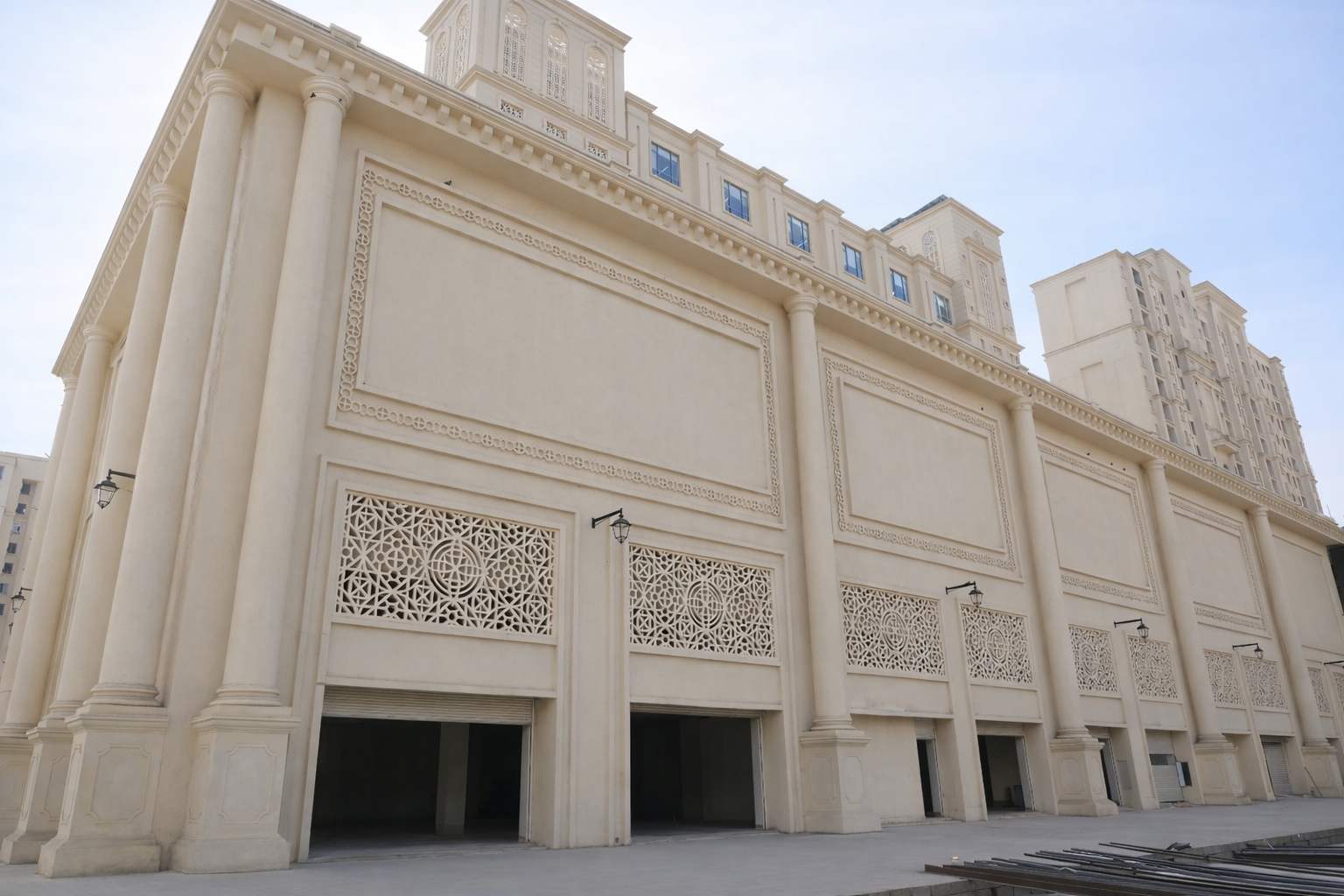
GRC is widely used for architectural facade elements because it allows design flexibility and custom surface expression. It can be moulded into panels, jalis, screens and decorative elements.
GRC facade elements can be designed in:
- Textured panels
- Perforated jalis
- Decorative screens
- Relief surfaces
- Custom patterns
- Stone-like finishes
- Concrete finishes
- Terracotta tones
- Smooth modern surfaces
This allows architects to create facades that are durable, expressive and project-specific.
The Role of Finish in Low-Maintenance Design
Finish selection plays an important role in how an architectural element performs visually over time.
For Indian weather, finishes should be selected based on exposure, dust, rainfall, cleaning methods and design intent. A very light finish may look premium but may require more frequent cleaning in dusty environments. A textured finish may hide minor dust better but must be detailed properly for maintenance.
Common GRC finish options include:
- Concrete grey
- Natural stone texture
- Sandstone finish
- Terracotta tone
- Off-white architectural finish
- Pigmented finish
- Smooth finish
- Textured finish
The finish should support the overall building design while remaining practical for the environment.
Design Considerations for Indian Weather
Low-maintenance performance depends not only on material but also on design detailing. Even the best material can fail if it is not designed properly.
Important considerations include:
Proper Drainage
Planters must have proper drainage to prevent water stagnation. facade elements should also be detailed to avoid water accumulation in unwanted areas.
Correct Fixing Systems
Jalis, screens and panels must be installed with suitable fixing systems based on size, weight, wind exposure and site conditions.
Maintenance Access
Cleaning and inspection access should be planned, especially for facade screens and elevated elements.
Material Thickness
Thickness should be designed based on strength, size, handling and application.
Sun Orientation
facade elements should respond to the direction of sunlight. West-facing areas may need stronger shading strategies.
Opening Ratio
For jalis, the opening ratio affects privacy, airflow, light and heat control. It should be selected according to the function of the space behind it.
Surface Texture
Texture should be chosen based on visual intent and maintenance practicality.
Integration with Landscape
Planters, jalis and facade elements should not look disconnected. They should work together as one architectural language.
Low-Maintenance Design for Residential Projects
In residential projects, buyers notice elevation quality, balcony privacy, entrance design and landscape spaces. Low-maintenance GRC elements can improve the long-term appeal of the project.
Useful applications include:
- Balcony jali screens
- Podium facade panels
- Entrance feature walls
- Terrace planters
- Clubhouse landscape planters
- Parking facade screens
- Boundary design elements
These details help the project look premium while supporting practical use.
Low-Maintenance Design for Malls
Malls experience heavy footfall and constant public use. Their outdoor areas, entrances and facades must remain attractive with regular but manageable maintenance.
GRC planters can define walkways and seating areas. GRC jalis can screen parking facades and service areas. facade panels can create strong exterior identity.
For malls, low-maintenance design helps maintain a premium public image.
Low-Maintenance Design for Hotels
Hotels require refined, long-lasting design details because guest perception depends on visual quality. Jalis, planters and facade elements can create a premium experience while supporting durability.
Applications include:
- Guest balcony jalis
- Entrance planters
- Courtyard screens
- Outdoor dining planters
- Decorative facade panels
- Drop-off area landscape elements
These elements help hotels maintain a polished look over time.
Low-Maintenance Design for Corporate Campuses
Corporate campuses need durable, clean and professional outdoor environments. GRC architectural elements can support this by creating structured landscapes and refined facades.
Useful applications include:
- Large outdoor planters
- Entrance feature walls
- Shaded jali screens
- Outdoor seating zones
- Podium planters
- facade panels
- Landscape dividers
This helps create a workplace environment that looks organized and well-designed.
Sustainability Through Durability
Low-maintenance design also supports responsible construction thinking. When architectural elements last longer, they reduce the need for frequent replacement. This helps reduce material waste and repeated repair cycles.
Durability is an important part of sustainable design. A product that performs well for years is more responsible than one that needs regular replacement.
GRC jalis, planters and facade elements can support this approach when they are designed with quality materials, proper detailing and long-term use in mind.
Why Developers Should Prioritize Low-Maintenance Elements
For developers, low-maintenance architectural elements offer several benefits:
- Better long-term project appearance
- Reduced maintenance concerns
- Stronger buyer and visitor perception
- Improved facade durability
- Premium landscape experience
- Better return on design investment
- More reliable exterior performance
A building’s exterior continues to represent the project long after construction is complete. Investing in durable architectural elements helps protect that image.
Why Architects Should Plan Maintenance Early
Maintenance should not be considered after installation. It should be part of the design process.
Architects should think about how each element will be cleaned, accessed, repaired if needed and integrated with other building systems. This applies to jalis, planters, panels, screens and landscape features.
When maintenance is planned early, the final design becomes more practical and long-lasting.
Final Thoughts
Indian weather demands architectural elements that are not only beautiful but also durable and practical. Harsh sunlight, monsoon rain, dust, humidity and public use can affect building exteriors and landscape products over time.
This is why low-maintenance design matters.
GRC jalis help control sunlight, privacy and airflow while adding facade identity. GRC planters bring greenery and structure to outdoor spaces without looking temporary. GRC facade elements add texture, depth and durability to building elevations.
Together, these elements help create buildings that look better, perform better and last longer.
For architects, they offer design flexibility. For developers, they protect long-term project value. For users, they create more comfortable and visually engaging spaces.
A building should not only look impressive at completion. It should continue to look refined after years of real weather, real use and real exposure.
That is the value of low-maintenance architectural design.