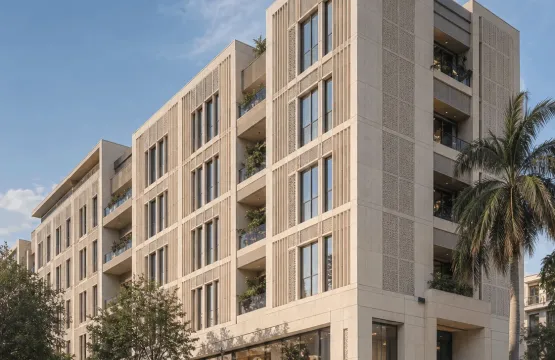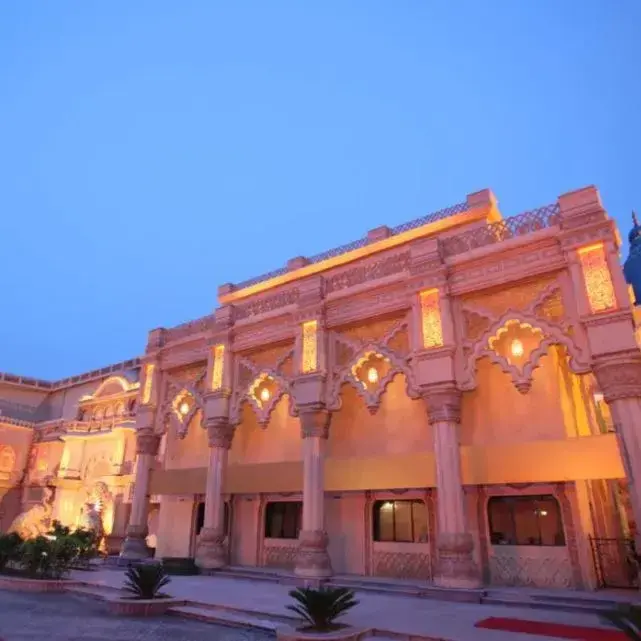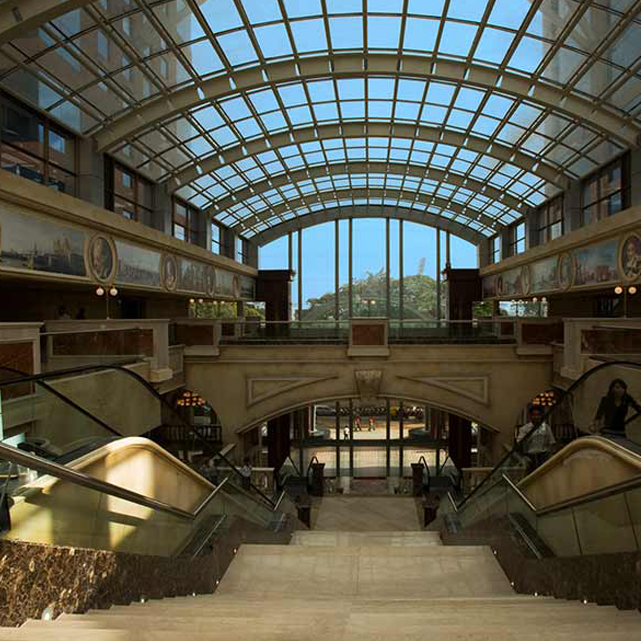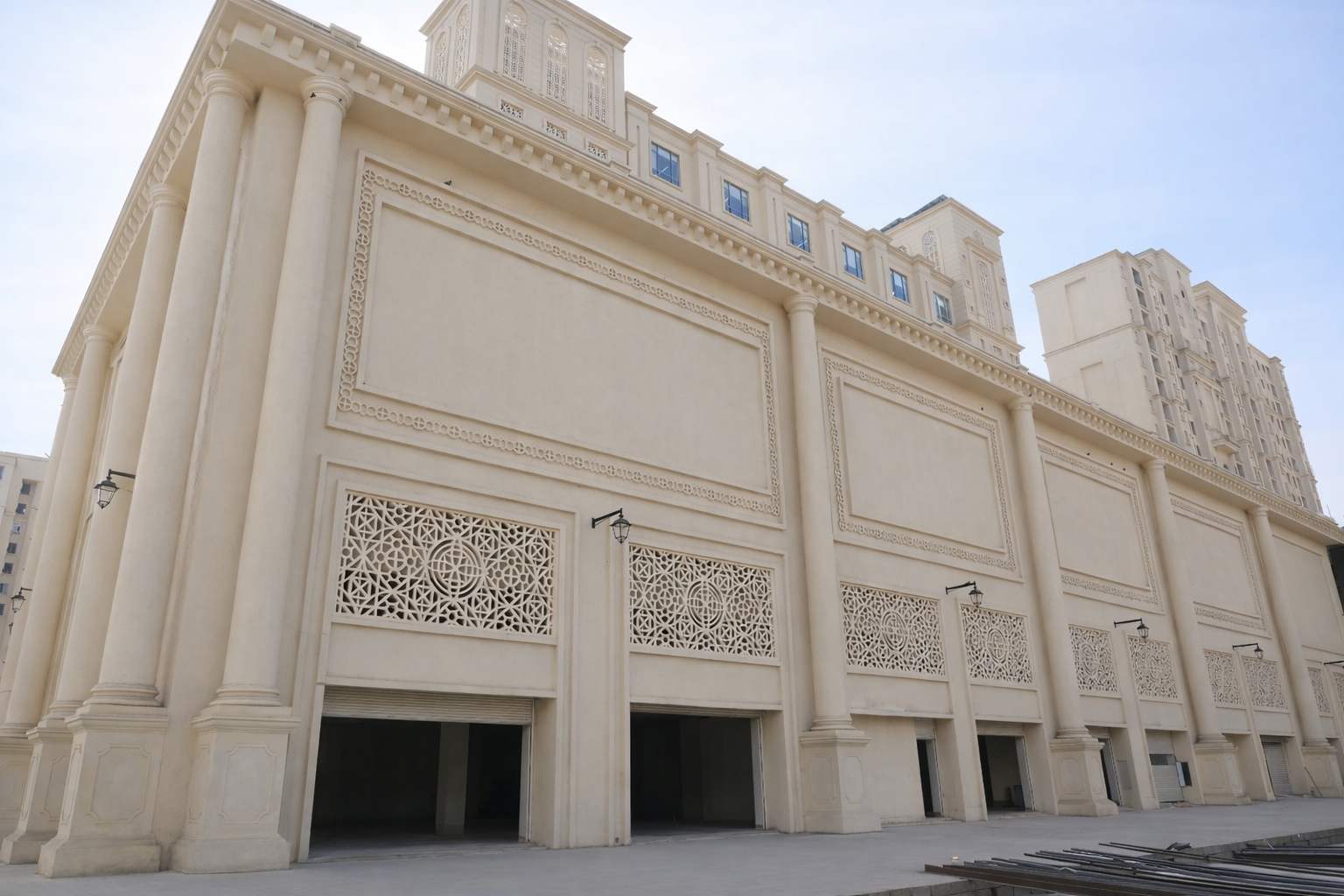
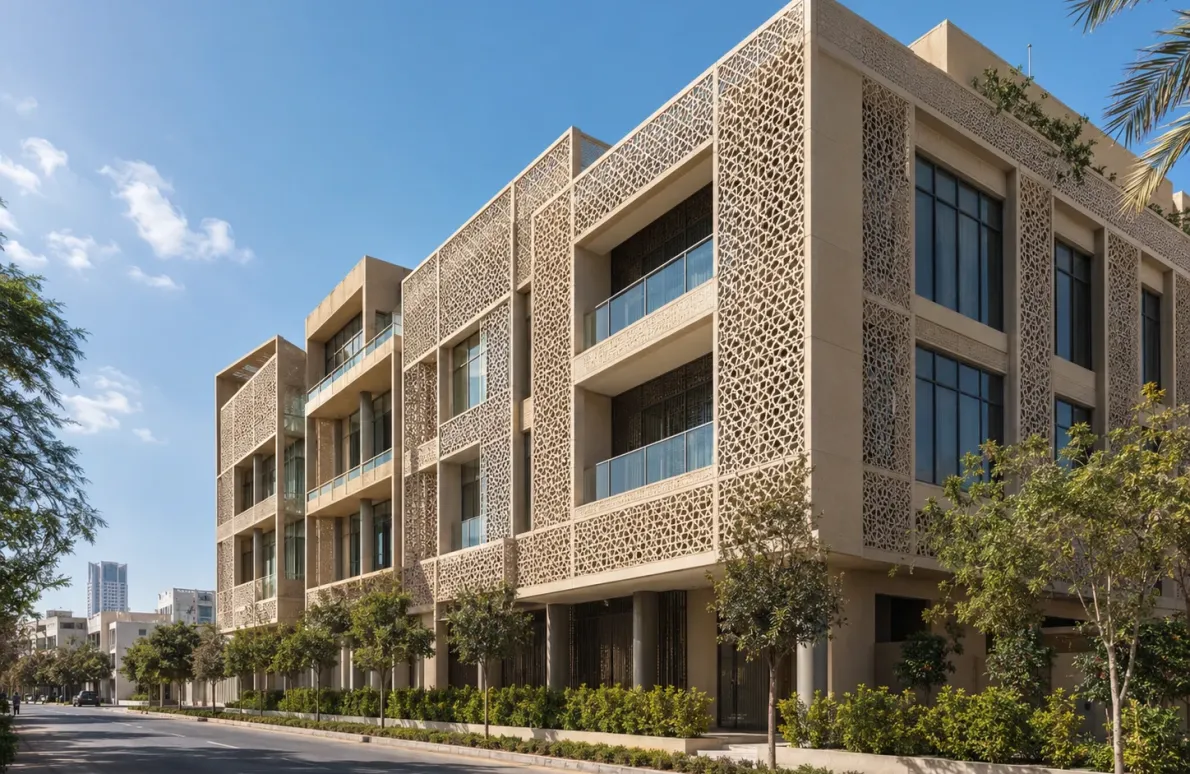
In modern architecture, the facade is no longer seen as only the outer surface of a building. It has become an active design layer that responds to sunlight, heat, airflow, privacy, visual identity and long term performance. For architects and developers, this shift has made facade elements more important than ever.
One such element is the GRC jali screen.
A jali screen does much more than add pattern to a building. It filters natural light, reduces direct glare, supports ventilation, improves privacy and gives the building a strong architectural identity. In Indian architecture, jalis have always been used as intelligent design elements for hot climates. Today, with modern materials like GRC, this traditional idea is being reimagined for contemporary commercial buildings, hotels, residences, institutions, malls and mixed-use developments.
A well-designed GRC jali screen can transform a flat elevation into a climate-responsive facade. It brings together beauty, function and durability in one architectural system.
What Is a GRC Jali Screen?
A GRC jali screen is a perforated architectural panel made using Glass Reinforced Concrete. It can be designed in different patterns, sizes, thicknesses and finishes depending on the project requirement.
Unlike conventional solid walls or heavy stone screens, GRC jalis offer greater design flexibility. They can be customized for modern geometric patterns, traditional motifs, parametric forms, simple linear designs or project-specific architectural concepts.
GRC jali screens are commonly used for:
- Balcony screening
- Commercial facades
- Hotel elevations
- Podium facades
- Parking facades
- Staircase and service area screens
- Terrace and courtyard partitions
- Entrance features
- Residential building elevations
- Landscape and semi-open spaces
The biggest advantage of a GRC jali is that it combines design expression with practical performance.
It is not only a decorative feature. It becomes part of how the building responds to light, heat and privacy.
Why Climate-Responsive facades Are Important
Buildings in warm regions, especially in India, face strong sunlight, high temperatures and glare for a large part of the year. When the facade is not designed properly, direct solar exposure can increase indoor heat, reduce occupant comfort and create higher dependence on cooling systems.
A climate-responsive facade is designed to work with the environment. It considers the direction of sunlight, local weather conditions, airflow, shading, privacy and material durability. Instead of treating the facade only as an aesthetic surface, it treats it as a performance layer.
This is where GRC jali screens can play an important role.
By placing a jali screen on the exterior of a building, architects can reduce direct sunlight on the main facade, create a shaded buffer, allow filtered light and support air movement in semi-open areas. This makes the building more comfortable and visually interesting at the same time.
How GRC Jali Screens Control Light
Light is one of the most powerful elements in architecture. It defines the mood of a space, changes the way surfaces appear and influences how people experience a building throughout the day.
However, uncontrolled sunlight can create problems. It can cause glare, heat build-up and discomfort. A solid wall may block the light completely, while a fully glazed facade may allow too much heat and brightness. A jali screen creates a balanced solution.
GRC jali screens filter sunlight instead of blocking it fully. The perforated pattern breaks harsh direct light into softer, controlled light. This creates beautiful shadow patterns on walls, floors and internal surfaces.
The design of the jali pattern affects how light enters the space. A dense pattern provides more shade and privacy. A more open pattern allows more visibility and daylight. A deeper profile can create stronger shadow effects. This gives architects the freedom to design the screen based on the function of the space behind it.
For example, a hotel room balcony may need privacy and filtered daylight. A commercial office facade may need glare control and visual depth. A residential podium may need a soft screen that adds shade without making the space feel closed. In each case, the jali can be customized to suit the requirement.
Airflow Without Complete Exposure
One of the most useful benefits of jali design is its ability to allow airflow while maintaining a sense of enclosure. A solid wall blocks air. A completely open facade may reduce privacy and protection. A jali screen sits between these two extremes.
GRC jali screens are especially useful in semi-open spaces where air movement is required but complete openness is not desirable. These include balconies, corridors, parking areas, staircases, terraces and service zones.
The openings in the jali allow air to pass through, while the screen still provides visual separation. This makes the space feel open, breathable and protected at the same time.
In residential projects, jalis can make balconies more comfortable and private. In commercial buildings, they can help screen service areas without blocking ventilation. In parking structures, they can allow airflow while improving the overall elevation. In hotels and resorts, they can create a refined semi private experience for guests.
This balance of openness and enclosure is one of the main reasons jali screens continue to be relevant in modern architecture.
Heat Control Through External Shading
Heat control is one of the strongest reasons to use GRC jali screens on facades.
When direct sunlight hits a building surface, it can increase heat absorption. This is especially important for glass facades, west-facing elevations, exposed balconies and large commercial surfaces. By adding a jali screen as an external layer, the building receives shade before the sunlight reaches the main envelope.
This external shading helps reduce direct solar exposure. It also creates a buffer zone between the outside environment and the building interior. As a result, the areas behind the jali can feel more protected from harsh sunlight.
For Indian buildings, this is highly relevant. Many projects face intense sunlight during the day, especially on south and west-facing sides. GRC jali screens can be designed to respond to these conditions.
The benefit is not only practical. The shadows created by jali patterns also add life to the building. As the sun moves during the day, the facade changes. The building appears dynamic, textured and expressive instead of flat and static.
Privacy Without Solid Walls
Modern buildings need privacy, but privacy does not always require heavy walls. In many cases, a solid wall can make a space feel closed, dark or visually heavy. GRC jali screens provide a more elegant alternative.
They help reduce direct visibility from the outside while still allowing light and air to pass through. This is useful for balconies, terrace edges, corridors, villas, hotel rooms, clubhouse areas and premium residential projects.
For developers, this is a valuable design advantage. A facade that provides privacy while maintaining openness can improve the perceived quality of a project. It gives the building a more refined and premium appearance.
Instead of using plain walls or standard railings, custom GRC jalis can turn privacy into a design feature.
Creating a Strong facade Identity
Every building needs a visual identity. The facade is often the first thing people notice. It communicates the quality, character and positioning of the project.
A flat facade can look ordinary. A thoughtfully designed jali facade can make the building memorable.
GRC jali screens allow architects to create a distinctive design language. The pattern can be simple, bold, traditional, contemporary, geometric or organic. It can reflect the project’s theme, location, brand identity or architectural concept.
For example:
- A luxury hotel may use an intricate jali pattern inspired by heritage design.
- A corporate building may use clean geometric screens for a modern look.
- A residential tower may use balcony jalis for privacy and elevation rhythm.
- A mall may use large-scale jali panels to create a landmark exterior.
- An institutional building may use climate-responsive screens to combine function with identity.
This makes the jali more than an architectural product. It becomes part of the building’s personality.
Why GRC Works Well for Jali Screens
GRC is suitable for jali screens because it offers a strong combination of design flexibility, durability and weight efficiency.
It can be cast into different patterns and shapes, which makes it ideal for custom architectural elements. It also allows repeated modular production, which is useful for large facade areas.
Key advantages of GRC jali screens include:
1. Design Flexibility
GRC allows architects to explore various patterns, curves, textures and forms. Whether the project needs a minimal modern jali or a detailed ornamental screen, GRC can be adapted to the design intent.
2. Lightweight Compared to Traditional Materials
Compared to many traditional solid materials, GRC can be designed as a lighter facade element. This helps with handling, installation and structural coordination.
3. Durable for Exterior Applications
When properly designed and installed, GRC is suitable for outdoor architectural use. It can withstand weather exposure and is appropriate for facade, landscape and elevation applications.
4. Custom Finish Options
GRC jalis can be developed in different textures, colours and surface finishes. This helps the screen match the rest of the building design.
5. Scalable Production
Once the design and mould are finalized, GRC jali modules can be produced consistently for large projects. This makes it suitable for commercial, residential and hospitality developments.
Where GRC Jali Screens Can Be Used
GRC jali screens are highly versatile. They can be used across multiple project types and applications.
Commercial Buildings
Commercial projects need facades that are functional, modern and visually strong. GRC jali screens can add depth, manage sunlight and create a recognizable identity for the building.
Hotels and Resorts
Hospitality spaces require privacy, comfort and premium aesthetics. Jalis can be used for balconies, corridors, outdoor dining areas, entrance facades and courtyard spaces.
Residential Towers
In residential buildings, jalis are useful for balconies, terrace areas, podiums and elevation features. They provide privacy while improving the overall facade design.
Malls and Retail Projects
Retail projects need high visual impact. Large-format jali screens can create a memorable exterior and help the building stand out.
Institutional Buildings
Universities, hospitals, cultural centres and public buildings can use jalis to create climate comfort and architectural identity.
Parking and Service Areas
Parking facades need ventilation but also require visual screening. GRC jalis can hide service functions while allowing air movement.
Design Points to Consider Before Choosing a Jali
A good jali facade is not just about selecting a beautiful pattern. It requires careful planning.
Important factors include:
facade Orientation
The direction of the facade affects sunlight exposure. East, west, south and north-facing elevations may need different design strategies.
Opening Ratio
The amount of open area in the jali affects light, privacy, airflow and heat control. A higher opening ratio allows more air and light, while a lower ratio provides more shade and privacy.
Pattern Scale
A pattern that looks good on a small sample may look different on a full building elevation. The scale should be tested and visualized properly.
Panel Size
The panel size should be planned according to handling, fixing, support structure and installation requirements.
Thickness and Depth
The thickness of the jali affects strength, shadow quality and visual impact.
Finish Selection
The finish should match the overall architectural language of the building and suit the outdoor environment.
Fixing and Installation
The fixing system should be coordinated with the structural design, facade consultant and site team.
Maintenance Access
The design should allow practical cleaning and long-term maintenance.
Jali as a Second Skin facade
One of the most effective ways to use GRC jali screens is as a second skin facade. In this approach, the jali is placed in front of the main building facade. This creates a protective and expressive outer layer.
A second skin jali facade can reduce direct sunlight, create depth, improve privacy and add a strong design identity. It also makes the building more visually dynamic because the outer layer creates shadows and movement throughout the day.
This approach is especially useful for commercial buildings, hotels, institutions and premium residential developments where the facade must perform and stand out.
Traditional Idea, Modern Execution
The concept of jali is deeply rooted in Indian architecture. Historically, jalis were used to control sunlight, allow air movement and provide privacy in hot climates. They were not just decorative elements. They were intelligent climate-responsive design solutions.
Today, GRC allows this traditional idea to be executed at a modern architectural scale. Large panels, custom patterns, precise moulding and project-based finishes make it possible to use jalis in contemporary buildings without losing their original purpose.
This makes GRC jali screens a bridge between tradition and modern performance.
Final Thoughts
GRC jali screens are one of the most effective architectural elements for climate-responsive facades. They help manage light, airflow, privacy and heat while adding depth, pattern and identity to the building.
For architects, they offer creative freedom. For developers, they add visual value and market differentiation. For building users, they improve the experience of shade, openness and comfort.
As modern buildings become more performance-focused, facades need to do more than look attractive. They must respond to climate, context and user experience.
GRC jali screens make this possible.
They turn the facade into a living architectural surface — one that filters light, allows air, controls privacy and creates a memorable design statement.