Modern buildings are expected to do more than provide space. They are expected to create better experiences for people. They must feel comfortable, visually engaging, climate-aware and connected to nature. This is why biophilic facade design is becoming an important direction in contemporary architecture.
Biophilic design focuses on bringing natural elements into built environments. It can include plants, natural light, airflow, textures, patterns, shadows, organic forms and materials that create a connection with nature. When this idea is applied to the exterior of a building, the facade becomes more than a surface. It becomes a living, breathing architectural layer.
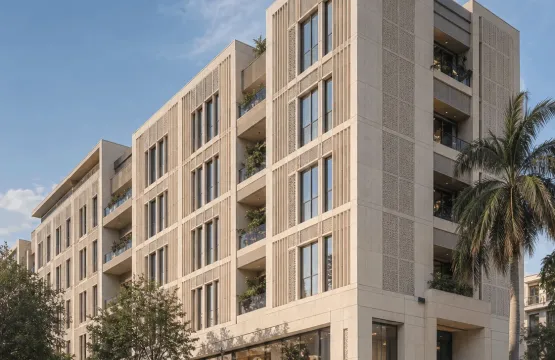
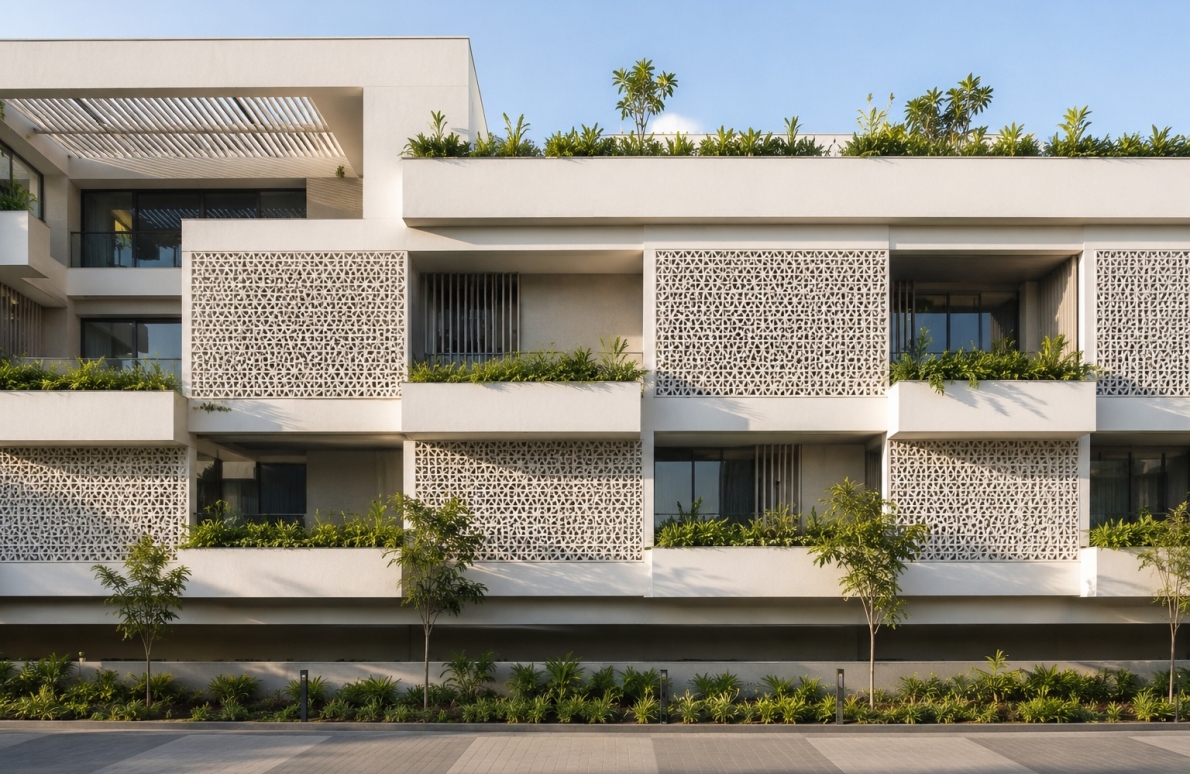
A biophilic facade can combine GRC jalis, architectural planters and green building elements to create buildings that feel softer, cooler and more human. Instead of flat walls or plain glass surfaces, the elevation becomes layered with light, greenery, texture and depth.
For architects, this creates new design possibilities. For developers, it adds visual value and market differentiation. For users, it improves the feeling of comfort, shade, freshness and connection with outdoor spaces.
What Is Biophilic Facade Design?
Biophilic facade design is the use of nature-inspired elements on the building exterior. It is not limited to adding plants. It includes the thoughtful integration of greenery, light, shade, natural textures, ventilation, organic patterns and outdoor comfort.
A biophilic facade can include:
- GRC jali screens
- Large outdoor planters
- Balcony planters
- Podium landscaping
- Green walls
- Terrace gardens
- Courtyard screens
- Shaded walkways
- Natural textures
- Light and shadow patterns
- Semi-open transition spaces
The goal is to create a facade that feels connected to nature while still performing as an architectural system.
In dense urban environments, buildings often feel hard, closed and disconnected from the natural world. Biophilic facade design helps soften this experience. It brings greenery, shade and breathable layers into the elevation, making the building feel more welcoming and comfortable.
Why Biophilic Facades Are Becoming Important
Urban spaces are becoming denser. People spend more time inside built environments. Commercial buildings, malls, residences and office campuses need to create spaces that feel healthier and more engaging.
A facade that includes greenery and climate-responsive elements can improve the overall perception of a project. It can make a building look premium, thoughtful and future-ready.
Biophilic facades are especially useful for:
- Premium residential developments
- Malls and retail spaces
- Corporate campuses
- Hotels and resorts
- Commercial buildings
- Institutional projects
- Clubhouses and amenity zones
- Mixed-use developments
These projects need outdoor spaces that people actually want to use. A plain facade may complete the building, but a biophilic facade creates experience.
Role of GRC Jalis in Biophilic Facade Design
GRC jalis are one of the most effective architectural elements for biophilic facades. They create a connection between light, air, privacy and pattern.
A jali screen filters sunlight and creates moving shadows throughout the day. This creates a natural rhythm on the facade. The changing pattern of light and shadow gives the building a dynamic quality, similar to the way sunlight passes through trees or natural screens.
Jalis also support airflow in semi-open spaces. This makes them useful for balconies, terraces, corridors, parking facades and podium areas. Instead of creating fully closed walls, jalis allow the building to breathe.
In biophilic design, the jali can act as a visual bridge between architecture and nature. The pattern can be inspired by leaves, branches, geometric natural forms or traditional climate-responsive design. It can create shade for green pockets, screen planter zones and add depth to the elevation.
Role of Architectural Planters in Facade Design
Planters are no longer only landscape accessories. In modern architecture, architectural planters are becoming part of the building design language.
Large GRC planters can define entrances, podiums, terraces, walkways, plazas and outdoor seating zones. When integrated with the facade, they help bring greenery closer to the building surface.
Architectural planters can be used in many ways:
- At building entrances
- Along podium edges
- On terraces and balconies
- Near outdoor seating zones
- Around mall walkways
- In corporate campus plazas
- Beside facade walls
- As separators for semi-open spaces
- As part of rooftop gardens
The right planter design can make greenery look intentional instead of temporary. It gives plants a defined architectural base and makes the landscape feel integrated with the building.
For biophilic facades, planters help soften hard materials like concrete, glass and metal. They add scale, colour, texture and freshness. They also help create more inviting human-level experiences around large buildings.
Combining Jalis and Planters
The combination of jalis and planters can create a strong biophilic facade system. Jalis provide shade, pattern and privacy. Planters introduce greenery, texture and natural softness. Together, they create a layered elevation.
For example, a residential balcony can include a GRC jali screen for privacy and a planter edge for greenery. A mall facade can use large jali panels with planters at the podium level. A hotel entrance can combine decorative jali screens with tall planters to create a premium arrival experience.
- This combination works because both elements support each other.
- The jali controls light and creates shade.
- The planter introduces greenery and softness.
- The facade gains depth and movement.
- The building feels more connected to nature.
- The user experience becomes more comfortable and memorable.
Instead of treating jalis and planters as separate products, architects can use them as one integrated design language.
Biophilic Design for Residential Buildings
In premium residential projects, buyers look for comfort, privacy, greenery and lifestyle value. A biophilic facade can help communicate all of these qualities.
GRC jalis can be used on balconies to create privacy and filtered light. Planters can be integrated along balcony edges, podiums, terrace gardens and clubhouse spaces. Together, they create a residential elevation that feels warm and premium.
Residential biophilic facade ideas include:
- Balcony jalis with planter edges
- Terrace garden planters with privacy screens
- Podium landscaping with GRC planter systems
- Clubhouse jali partitions with greenery
- Entrance walls with decorative jalis and plants
- Vertical green pockets integrated into elevation bands
This approach helps the building feel less rigid and more lifestyle-oriented. It also gives the project a stronger visual identity in marketing and sales communication.
Biophilic Design for Malls and Retail Spaces
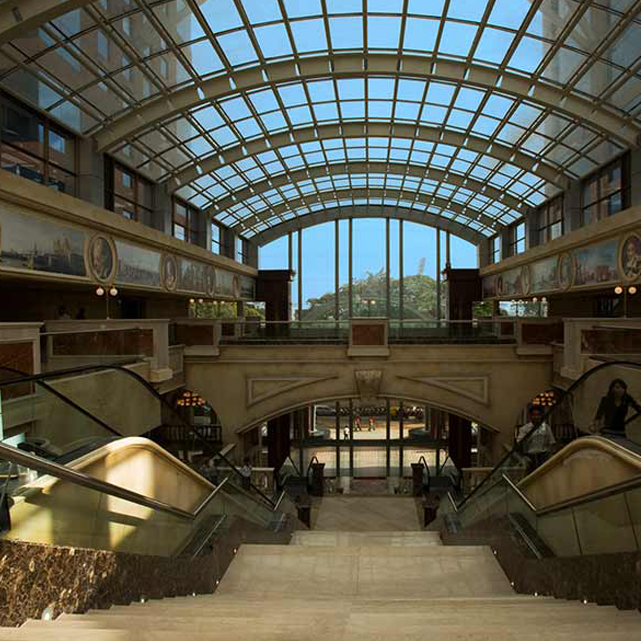
Malls need to attract people, encourage movement and create places where visitors want to spend time. A biophilic facade can improve the exterior and transition spaces of a mall.
Large outdoor planters can define walkways, plaza seating, drop-off areas and entrance zones. GRC jalis can create shade and pattern across facades, parking levels and semi-open corridors.
For malls, biophilic facade design can include:
- Jali screens on parking facades
- Planters around entrance plazas
- Green pockets near outdoor seating areas
- Jali-covered walkways for shade
- Large-format planters along retail edges
- Facade screens combined with landscape lighting
This helps create a more inviting environment. Instead of the mall feeling like only a commercial building, it begins to feel like a public destination.
Biophilic Design for Hotels and Resorts
Hotels and resorts benefit strongly from biophilic design because guest experience is central to hospitality. A facade that includes greenery, filtered light and natural textures can make the property feel more premium and relaxing.
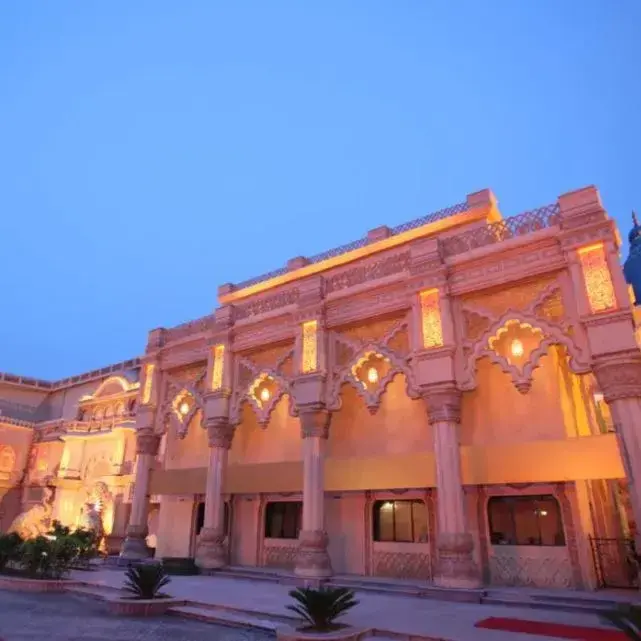
GRC jalis can be used for room balconies, courtyard screens, spa areas, outdoor dining spaces and entrance facades. Planters can define walkways, poolside areas, terrace gardens and arrival zones.
Hotel biophilic facade ideas include:
- Decorative jali screens with climbing greenery
- Large planters at entrance drop-off areas
- Balcony privacy jalis with integrated planting
- Courtyard jali walls with soft landscape
- Resort pathways with planter-led zoning
- Outdoor dining screens with greenery
This creates a sense of calm and comfort, which is highly valuable in hospitality design.
Biophilic Design for Corporate Campuses
Corporate campuses and office buildings need environments that support productivity, comfort and brand image. A biophilic facade can help create a workplace that feels more thoughtful and human.
Large planters can be used around office entrances, courtyards, breakout zones and outdoor seating spaces. Jalis can create shaded facades, semi-open corridors and screened service areas.
Corporate biophilic facade ideas include:
- Shaded jali facades for office blocks
- GRC planters for outdoor breakout zones
- Green entrance plazas
- Screened walkways with natural light
- Podium planters for campus landscaping
- Textured facade surfaces with planting elements
This approach improves the visual quality of the workplace and creates spaces where employees and visitors feel more comfortable.
Importance of Material and Finish
In biophilic facade design, material finish plays a major role. The facade should feel natural, warm and integrated with the landscape.
GRC jalis and planters can be developed in different finishes such as:
- Natural stone finish
- Sandstone texture
- Terracotta tone
- Concrete grey finish
- Off-white architectural finish
- Pigmented finish
- Textured earthy finish
- Smooth modern finish
For biophilic design, earthy tones often work well because they connect visually with plants, soil, stone and outdoor materials. However, modern projects may also use neutral white, grey or custom pigmented finishes depending on the architectural concept.
The finish should not compete with the greenery. It should support it.
Design Considerations for Biophilic Facades
A successful biophilic facade requires planning. It is not enough to place plants randomly on a building. The greenery, jalis, planters and facade elements must work together.
Important design points include:
Sunlight Requirement
Plants need suitable light conditions. The orientation of the facade should be studied before deciding planter locations.
Water Drainage
Planters must be designed with proper drainage so that water does not affect the building surface or flooring.
Maintenance Access
Green elements should be easy to maintain. If maintenance is difficult, the facade may lose its quality over time.
Planter Size
The planter size should suit the plant type, root depth and long-term growth.
Jali Opening Ratio
The jali pattern should allow the right balance of shade, airflow and visibility.
Structural Coordination
Large planters and facade screens should be coordinated with the structure, load requirements and fixing systems.
Material Durability
Outdoor elements must be suitable for weather exposure, sunlight, rain and long-term use.
Visual Balance
The facade should not look overloaded. Jalis, planters and greenery should be placed with rhythm and proportion.
Facade as a Living Experience
A biophilic facade changes the way people experience a building. It creates a more human connection between architecture and nature.
At street level, planters can make entrances feel welcoming. At balcony level, jalis and greenery can create privacy and comfort. At podium level, landscape elements can create social spaces. At facade level, screens and planting can add rhythm and identity.
This layered approach turns the building exterior into an experience. It is no longer just a wall or surface. It becomes a designed environment.
Benefits for Developers
For developers, biophilic facade design can improve the positioning of a project. It helps create a premium, lifestyle-driven and future-ready image.
Key benefits include:
- Stronger project identity
- Better visual appeal
- Improved entrance and facade experience
- More usable outdoor spaces
- Premium landscape integration
- Higher recall in marketing visuals
- Differentiation from plain facade designs
In a competitive market, buyers and visitors remember projects that feel different. A well-designed facade with jalis, planters and greenery can become a strong visual selling point.
Benefits for Architects
For architects, biophilic facade design provides creative freedom. It allows them to design with layers instead of flat surfaces. They can combine material, pattern, shadow, plants and spatial experience.
GRC jalis and planters are highly adaptable. They can be customized according to project scale, theme, function and material palette. This makes them suitable for both contemporary and traditional design languages.
Final Thoughts
Biophilic facade design is not only about adding greenery to a building. It is about creating a deeper relationship between architecture, nature and human experience.
By combining GRC jalis, architectural planters and green building elements, facades can become more responsive, comfortable and visually meaningful. Jalis bring shade, airflow, privacy and pattern. Planters bring greenery, softness and spatial definition. Together, they create facades that feel alive.
For hotels, malls, residences and corporate campuses, this approach can transform the way people see and use the building. It can turn entrances into experiences, balconies into private green zones, podiums into active landscapes and facades into memorable architectural statements.
As cities become denser, buildings that connect people with nature will stand out. A biophilic facade is not just a trend. It is a smarter way to design spaces that feel better, perform better and create lasting value.
You have not enough Humanizer words left. Upgrade your Surfer plan.