Architecture has always lived at the intersection of imagination and precision. Yet today, nowhere is this dialogue more expressive than in the modern architectural facade. Once a static boundary between inside and out, the facade has evolved into a living surface-one that speaks, performs, and endures. It is here that art and engineering converge to form a new architectural language.
The Facade as a Cultural Expression
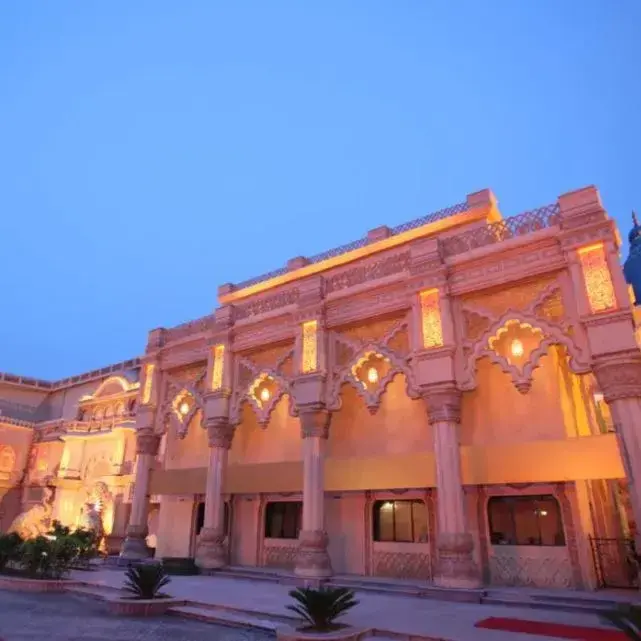
Facades are no longer mere envelopes. They are narratives written in material, geometry, and light. Through rhythm, proportion, and pattern, a facade communicates identity-of a building, a brand, or a city itself. Much like the ornamented elegance of Art Deco once symbolized optimism and progress, contemporary facades reinterpret heritage through modern lenses, translating cultural memory into refined, contemporary forms.
This artistic dimension demands sensitivity: a designer’s eye for balance, shadow, and visual harmony. Each line, perforation, and plane contributes to a composition that must resonate emotionally while remaining timeless.
Engineering as the Invisible Art
Beneath the visual poetry lies engineering rigor. Structural integrity, wind resistance, thermal performance, acoustic control, and durability are not constraints-they are catalysts for innovation. Advanced engineering enables facades to be lighter yet stronger, expressive yet efficient.
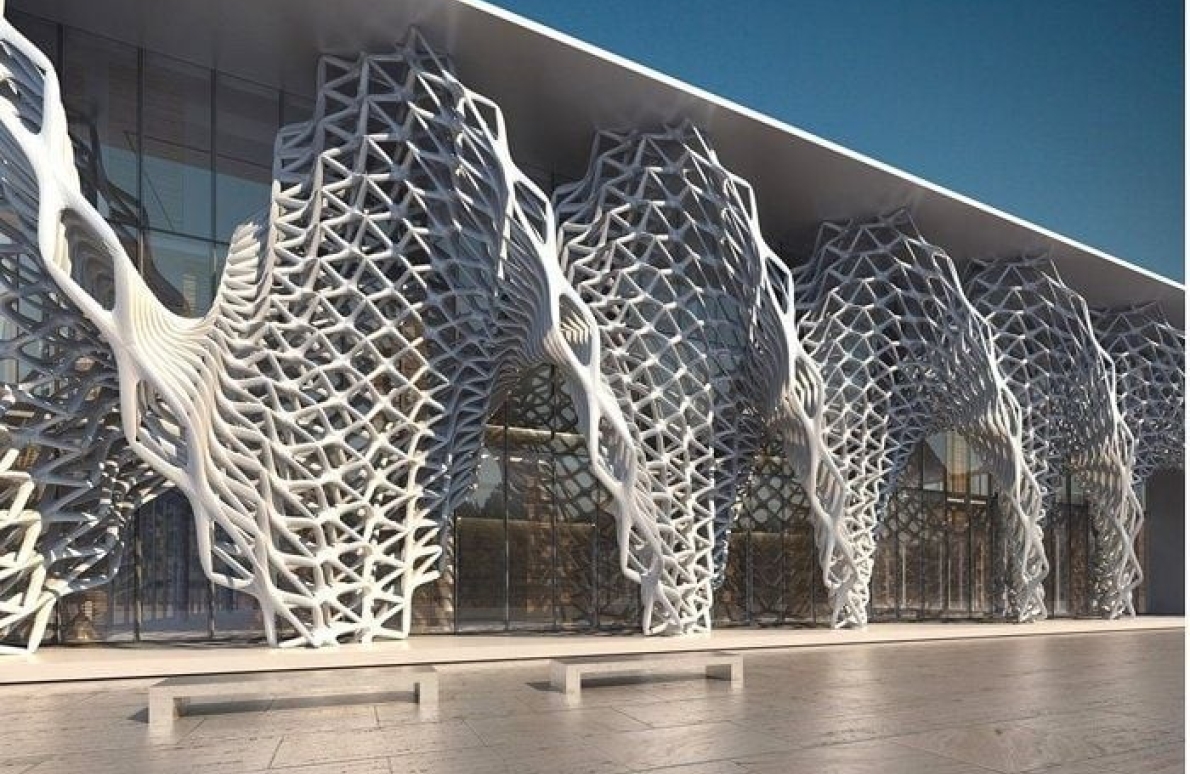
Digital modeling, parametric design, and precision fabrication allow complex geometries to be realized with extraordinary accuracy. What once lived only in sketches can now be engineered into reality, ensuring that even the most intricate patterns perform flawlessly across decades of use.
Material Innovation: Where Beauty Performs
Materials have become storytellers in their own right. Metal panels fold like fabric. Stone appears weightless. Glass filters light with calibrated subtlety. High-performance alloys, treated surfaces, and hybrid systems allow facades to age gracefully while withstanding harsh climates.
The true sophistication lies in choosing materials that do more than look beautiful-they respond to heat, light, and time. A well-engineered facade breathes, protects, and adapts, achieving sustainability not as an afterthought, but as an intrinsic design principle.
Craft Meets Technology
The new language of facades is neither purely artisanal nor purely industrial. It is a dialogue between craftsmanship and technology. CNC fabrication, laser cutting, and modular systems echo the precision of engineering, while bespoke detailing preserves the soul of handcrafted design.
This balance allows architects and designers to create facades that feel human at scale-rich in texture and detail-yet exacting in performance. It is modern architecture with memory, and innovation with restraint.
A Future Defined by Integration
As cities grow denser and architectural expectations rise, the facade becomes a critical mediator between environment, occupant, and urban context. The future belongs to integrated systems where aesthetics, structure, and performance are conceived as one.
When art meets engineering, facades transcend function. They become enduring icons-expressions of ambition, intelligence, and refined design thinking. In this union, architecture finds its most eloquent voice.
At DECO, we believe the facade is where architecture reveals its soul-crafted with intention, engineered with precision, and designed to endure.